Featured
The Truth About Debt Forgiveness for Burdened Americans -...
Understanding Your Mortgage Help for Low-Income Families:...

What to Watch For When Selecting a Bankruptcy Provider fo...
Not known Details About Tools Available Via Certified Counselors
Table of Contents
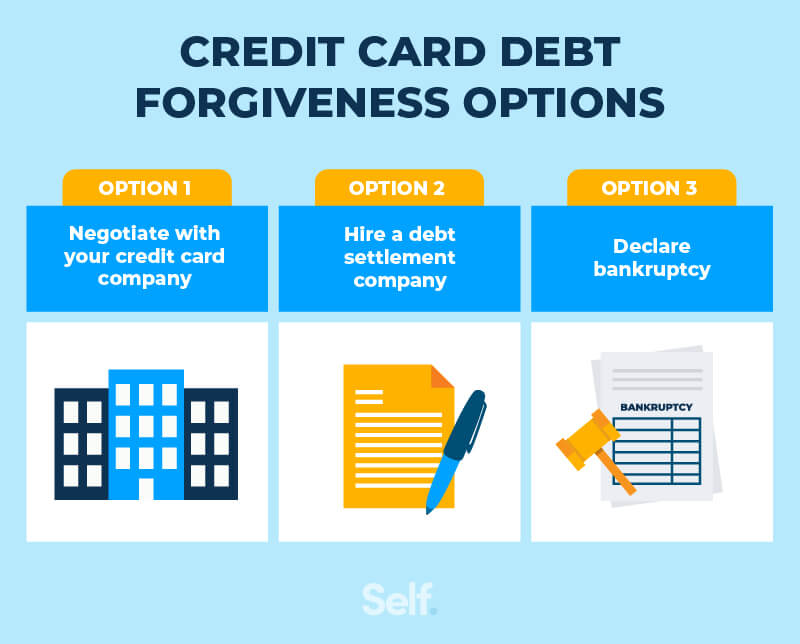
That liberates cash in the short-term, and you may have three to four years to conserve toward the settlement quantity. Very dangerous to credit report, primarily because of missed payments and an unfavorable "settled" mark that might remain on your credit rating report for approximately seven yearsMay be just alternative if various other alternatives (financial debt loan consolidation, equilibrium transfer credit report cards, financial obligation forgiveness) aren't possibleTypically calls for a fee to the 3rd party, which might counter some or all of the savings from financial debt settlementMay help you avoid insolvency if you've missed numerous paymentsNot all creditors deal with financial debt settlement companies Financial obligation forgiveness might be best for you if you are experiencing a financial hardship that makes it almost impossible to pay down your financial debt equilibriums.

With a DMP, you make one monthly payment to the credit report counseling firm. Those funds are after that distributed to lenders of your unsecured financial obligations, such as bank card and installment fundings. The agency collaborates with your creditors to minimize interest prices or forgo charges, yet some creditors might refuse such concessions.
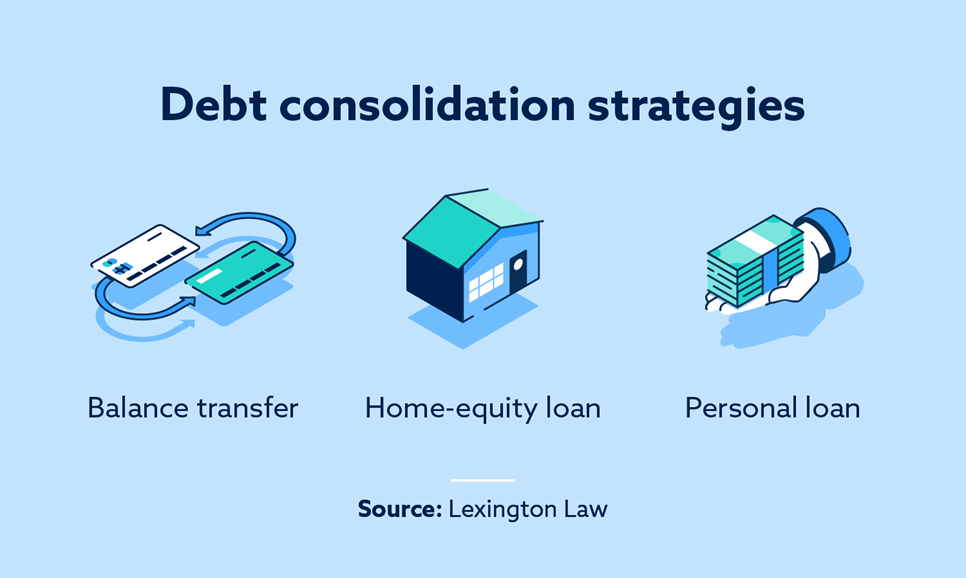
A financial obligation combination funding combines your qualified debts right into one brand-new loan. It can help you pay for financial debt if you're able to safeguard a car loan rate that's less than the ordinary rate of the accounts you're consolidating. However, you must avoid from racking up debt on those freshly gotten rid of accounts or your debt can expand even greater.
That gives you lots of time to eliminate or substantially minimize your balance while making interest-free payments.
Is Bankruptcy Right for You Can Be Fun For Everyone
You may need it if your creditor or a collection company ever attempts to accumulate on the financial obligation in the future. When a loan provider forgives $600 or even more, they are called for to send you Form 1099-C.
Financial debt mercy or negotiation almost constantly injures your credit scores. Anytime you resolve a financial obligation for less than you owe, it might show up as "settled" on your credit scores record and influence your credit score for 7 years from the date of settlement. Your credit history can additionally go down significantly in the months resulting in the mercy if you fall behind on repayments.
The smart Trick of Medical Debt Forgiveness Demystified That Nobody is Discussing
This circumstance typically results from underreporting earnings, not submitting returns on time, or discrepancies located during an IRS audit. The repercussions of collecting tax debt are significant and can include tax liens, which provide the IRS a lawful case to your residential property as protection for the financial debt.
Salaries and Financial institution Accounts Internal revenue service can impose (confiscate) earnings and bank accounts to satisfy the financial debt. Home Seizure In extreme cases, the Internal revenue service can take and market property to cover the financial debt.
Clinical depression, anxiety, and various other mental health and wellness issues. Social Preconception Dealing with lawful action from the IRS can carry social stigma. Damage to reputation and connections. Work Opportunities A poor debt score due to strain financial obligation can restrict job opportunity. Difficulty finding or keeping a job. Government Advantages Tax obligation debt might affect qualification for government benefits, such as Social Protection and Medicaid.
What Does Required Documentation When Pursuing Debt Forgiveness Do?
The OIC takes into consideration several aspects, including the taxpayer's income, expenditures, property equity, and capacity to pay. Efficiently discussing an OIC can be complicated, needing an extensive understanding of the internal revenue service's standards and a solid debate for why your offer straightens with your capability to pay. It's vital to note that not all applications are approved, and the process calls for comprehensive financial disclosure.
The IRS evaluates your overall financial scenario, including your income, expenses, asset equity, and ability to pay. You need to also be existing with all declaring and repayment requirements and not remain in an open personal bankruptcy case. The IRS likewise considers your compliance history, examining whether you have a record of timely filing and paying taxes in previous years.
Some Known Details About Non-Profit Debt Forgiveness Programs Reviewed
The application procedure for an Offer in Concession includes numerous in-depth actions. You need to finish and submit IRS Kind 656, the Deal in Compromise application, and Type 433-A (OIC), a collection info statement for people. These kinds call for extensive monetary information, consisting of details about your income, financial debts, expenses, and possessions.
Back tax obligations, which are overdue taxes from previous years, can significantly enhance your total IRS financial obligation otherwise resolved without delay. This financial debt can accrue interest and late repayment penalties, making the initial amount owed a lot bigger with time. Failing to pay back taxes can lead to the internal revenue service taking enforcement actions, such as providing a tax lien or levy against your property.
It is very important to attend to back taxes immediately, either by paying the sum total owed or by arranging a layaway plan with the IRS. By taking proactive steps, you can stay clear of the accumulation of extra interest and fines, and avoid a lot more hostile collection actions by the IRS.
One typical factor is the belief that the taxpayer can pay the full quantity either as a round figure or via a repayment strategy. The IRS additionally takes into consideration the taxpayer's income, costs, possession equity, and future earning capacity. If these variables suggest that the taxpayer can pay for to pay even more than the provided quantity, the internal revenue service is likely to turn down the deal.
The Only Guide for Unsecured Debt Forgiveness Solutions
It is essential to supply precise and total details in your application and to speak with a tax obligation expert to improve the possibilities of acceptance. Handling internal revenue service debt can be intricate and daunting. Tax specialists, such as Certified public accountants, tax attorneys, or registered agents, can provide indispensable help. They have the know-how to browse the complexities of tax obligation legislation and internal revenue service procedures.

Table of Contents
Latest Posts
The Truth About Debt Forgiveness for Burdened Americans - An Overview
Understanding Your Mortgage Help for Low-Income Families: What Options Do You Really Have? : APFSC Options and Requirements Fundamentals Explained

The Basic Principles Of Your Interests
More
Latest Posts
The Truth About Debt Forgiveness for Burdened Americans - An Overview
The Basic Principles Of Your Interests